Why Balance Training in Your 60s Protects the Rest of Your Life
Balance isn't something to worry about after you've already had a fall. Building it in your 60s is one of the smartest investments you can make in your independence.
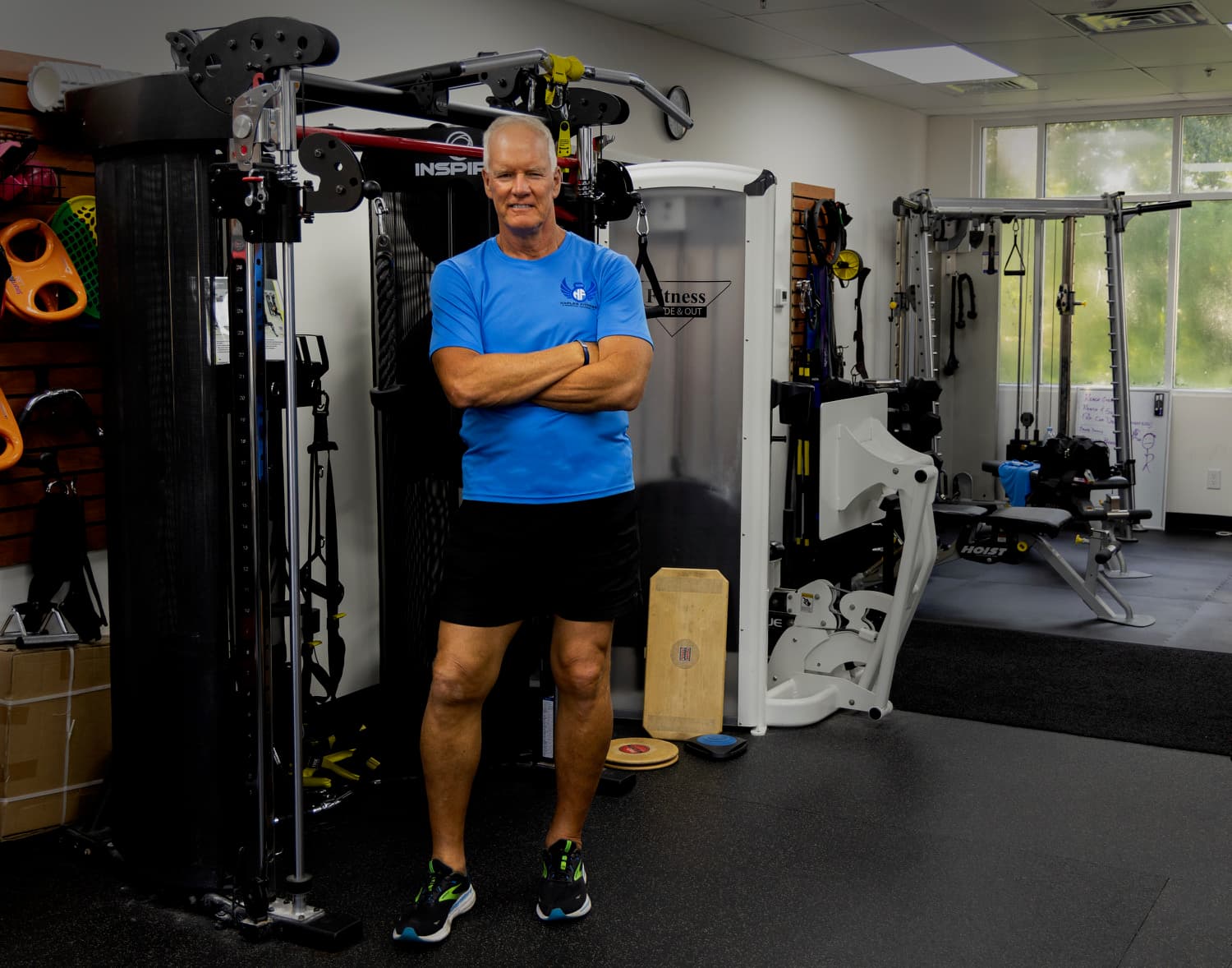
I want to talk about something I wish more people took seriously before it becomes a problem: your balance. Here in Naples I work with a lot of active folks in their 60s and 70s, and one thing has become crystal clear to me over the years. The best time to train your balance is before you feel like you need to. If you wait until you're already unsteady on your feet, you're playing catch-up in a game where the stakes are very high.
Why the 60s Are the Window That Matters
Balance isn't a single skill. It's a partnership between your muscles, your inner ear, your vision, and the way your brain processes all of that information. Starting in our 60s, each of those systems tends to fade a little unless we actively push back. Muscle mass declines, reaction time slows, and the tiny stabilizing muscles around your ankles and hips get lazy if you don't challenge them.
The reason I emphasize your 60s is simple: it's much easier to maintain and build capacity than to rebuild it from a deficit. By the time someone reaches their late 70s having done nothing, the road back is longer and harder. A fall at that stage can be genuinely catastrophic. A broken hip, a head injury, or even just the fear of falling can strip away independence in a matter of weeks.
The goal isn't to avoid falling forever. It's to build enough margin that when you stumble, you catch yourself instead of hitting the ground.
What Good Balance Actually Requires
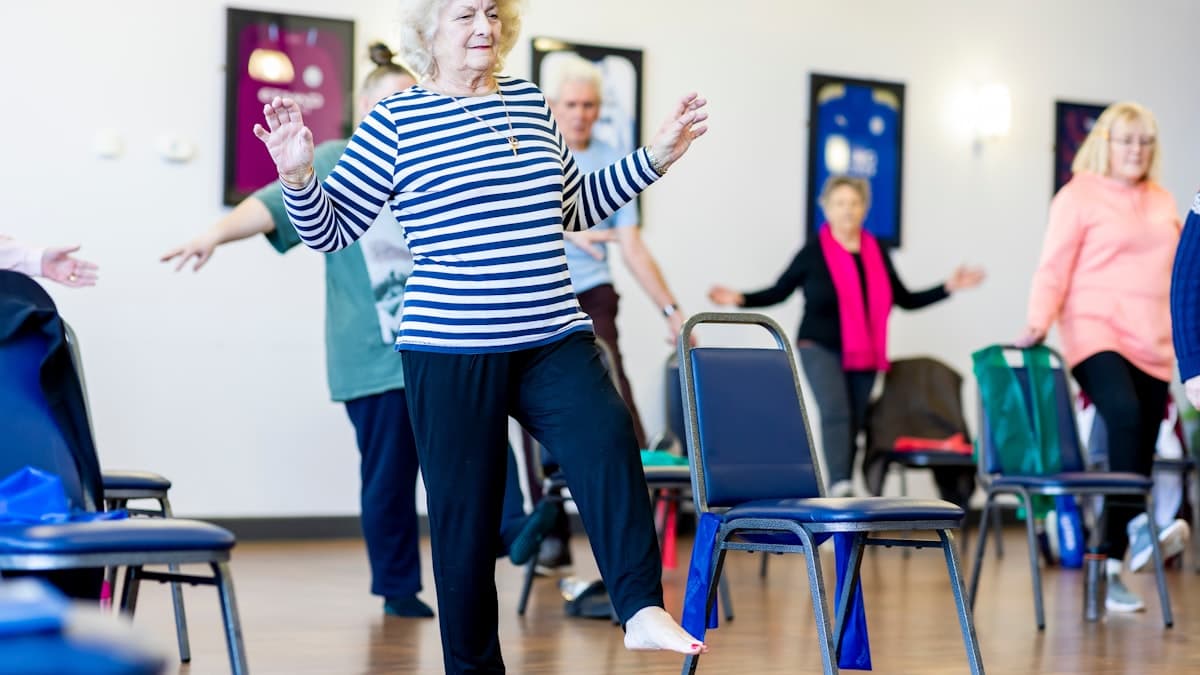
People assume balance is about standing still, but real-world balance is about recovery — how quickly you react when a curb, a wet tile, or a grandchild's toy throws you off. That means we train two things: the strength to hold a position, and the reflexes to correct when you're pushed out of it.
- Leg and hip strength — the engine behind every save when you trip.
- Ankle stability — your first line of defense on uneven ground.
- Core control — keeps your center of gravity where it belongs.
- Reaction and coordination — the brain-to-body speed that turns a stumble into a shuffle.
Simple Ways to Start This Week
You don't need fancy equipment. You need consistency and a safe setup. Always work near a sturdy counter, a wall, or a chair you can grab. Here's a starting progression I give my clients:
- Single-leg stands. Hold a counter, lift one foot slightly, and balance for 10 to 30 seconds. Switch sides. As you improve, use just a fingertip for support, then nothing.
- Heel-to-toe walking. Walk in a straight line placing the heel of one foot directly in front of the toes of the other, like walking a tightrope. Keep a wall within reach.
- Sit-to-stand. Rise from a chair without using your hands, then sit back down with control. This builds the exact leg strength you need to catch yourself.
- Weight shifts. Stand with feet hip-width apart and slowly shift your weight side to side, then front to back, staying in control the whole time.
Do a few of these most days. Five focused minutes beats an hour once a month. And progress gradually — the point is to challenge your balance safely, not to scare yourself or take a spill trying to prove something.
A Few Ground Rules
If you have vertigo, neuropathy, a history of falls, or any condition affecting your inner ear or vision, check with your doctor before starting, and consider working with someone who can spot you. Good footwear matters too — supportive shoes on a non-slip surface. And if a movement makes you dizzy, stop and sit down. We build confidence by staying inside the edge of your ability and slowly moving that edge outward.
Here's the bottom line I share with everyone who walks through my door: balance is a longevity skill. It's what lets you travel, play with grandkids, garden, and stay in your own home on your own terms. The people who stay steady into their 80s and 90s almost never got there by accident — they earned it a few minutes at a time, starting well before they thought they had to.
If you're in your 60s reading this, that's your green light. Start now, while it's easy, and give your future self one less thing to worry about.
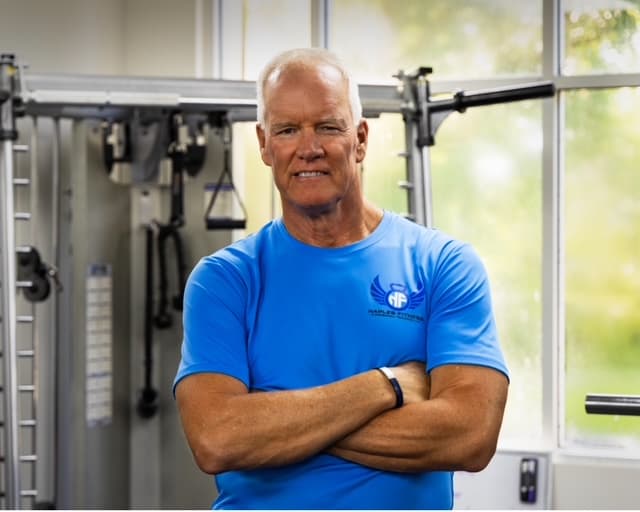
Owner and head coach at Naples Fitness & Personal Training. Certified Ironman Coach, NASM Personal Trainer and Functional Aging & Stability Specialist helping active adults across Naples train for life.